
Ultimate Guide to Diving in Barbados

If you’re looking for a Caribbean destination where warm water, excellent visibility, fascinating marine life and world-class wreck diving come together, Barbados deserves a place on your dive travel list.
Surrounded by the Atlantic Ocean, Barbados offers an incredible variety of underwater experiences. You can explore shallow shipwrecks surrounded by tropical fish, drift over colourful reefs, encounter sea turtles and stingrays, search for seahorses and octopus, or venture deeper to explore some of the island’s more challenging dive sites.
Best of all? Barbados is a year-round diving destination.
Whether you're a first-time diver, travelling with experienced divers, interested in completing your PADI certification, or simply looking for your next Caribbean underwater adventure, there is something here for you.
Here's everything you need to know about diving in Barbados.
Ultimate Dive Guide for Barbados' Best Time to Dive?
One of the best things about diving in Barbados is that there really isn't a bad season for diving, making Barbados the ultimate destination for diving.
Barbados generally enjoys warm water, good visibility and diveable conditions throughout the year. Water temperatures typically range from around 26–29°C (79–84°F), making the island comfortable for diving in every season.
Visibility is another major attraction. Depending on the site and conditions, divers can regularly experience 60–100 feet (18–30+ metres) of visibility, with particularly clear conditions possible on calm days.
What about the seasons?
The dry season, roughly December through May, can bring especially great conditions and excellent visibility. However, the wetter months shouldn't be ruled out. The sheltered west and south coasts can offer excellent diving throughout the year.
Weather and ocean conditions can always change, particularly during the Atlantic hurricane season, so we assess conditions and choose sites accordingly. Barbados is lucky to be located East and further South than most of the Caribbean islands so hurricanes tend to skip over Barbados. While the winds are beign sucked up closer to the nothern Caribbean, Barbados' water conditions get warm and smooth like glass. Hurricane Season can sometimes offer the most beautiful dive conditions depending on the position of storms.
The bottom line: if you're planning a trip around diving, you can confidently consider Barbados at almost any time of year.
Barbados Water Temperatures
Forget the thick exposure suits you may associate with colder-water diving.
Barbados' tropical water averages approximately 26–29°C (79–84°F) throughout the year.
Most divers are comfortable in a just their swimwear or rashguards, if you tend to chill quickly, shorty or lightweight wetsuit will suffice, although the right exposure protection depends on your personal comfort, how many dives you're doing and the conditions on the day.
If you're planning multiple dives, remember that even warm tropical water can feel cooler after several days of diving!
High Visibility: See What's Around You
Clear water is one of Barbados' biggest attractions.
Visibility can commonly reach 60–100 feet (18-30 meters) or more, giving you the opportunity to appreciate large reef formations, wrecks and marine life without needing to be right on top of them.
Good visibility also makes Barbados particularly appealing for underwater photography and for newer divers who may feel more comfortable when they can see what is around them.
Of course, visibility is influenced by weather, swell, currents, rainfall and location, so there are no guarantees on any particular day.
That's why an experienced local dive centre is so valuable: they know where to go when conditions change.
What Marine Life Can You See While Diving in Barbados?
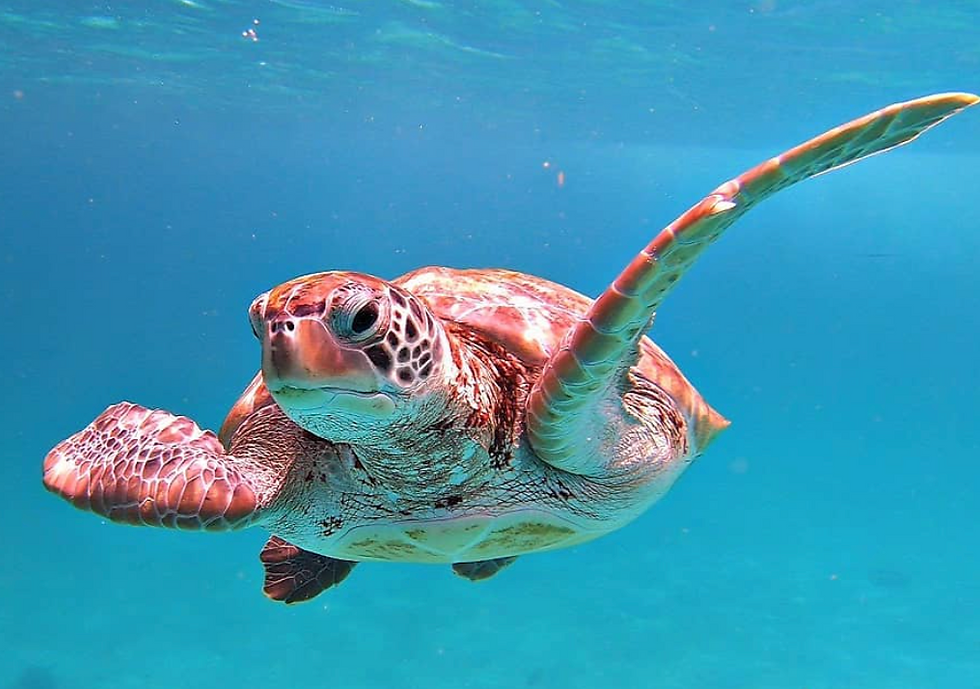
Barbados may be a relatively small island, but its underwater world is anything but small.
Ultimate Dive Guide for what marine life you can see in Barbados, depending on where you dive, you may encounter:
Green and hawksbill sea turtles
Southern Stingrays
Eagle rays
Seahorses
Octopus
Squid
Moray eels
Barracuda
Tarpon
Frogfish
Tropical reef fish
Lobsters and crabs
Colourful sponges and corals
Sea turtles, stingrays and schools of tropical fish are among the commonly reported sightings around Barbados, while Carlisle Bay is particularly well known for its combination of wrecks and marine life.
And then there are the smaller creatures.
Some of the most memorable encounters aren't necessarily the biggest animals. A well-camouflaged seahorse, tiny juvenile fish, decorator crab or octopus hiding in a reef can turn an ordinary dive into an underwater treasure hunt.
That's one of the joys of diving in Barbados: you never quite know what you'll find.
What Are the Diving Conditions Like?
Barbados offers a variety of diving conditions, but many of the island's most popular sites are suitable for relatively relaxed recreational diving.
A good dive operator won't simply take every diver to the same site every day. They should consider:
Your certification and experience
Weather and sea conditions
Current
Visibility
The type of dive you want
The experience level of your group
Marine life and site conditions
Local knowledge matters.
Beginner Diving in Barbados
If you've never scuba dived before, Barbados is an excellent place to start.
Warm water, good visibility and a variety of shallower sites can make the learning experience much more comfortable.
You don't need to arrive as an experienced swimmer or diver. Depending on the course or experience you choose, you can start with an introductory Discover Scuba Diving experience or begin working toward your PADI certification.
For beginners, Green Divers Barbados prioritizes:
Small groups
Patient instructors
Direct supervision
Good-quality equipment
Clear safety procedures
Appropriate dive sites
Plenty of time to ask questions
A great first diving experience isn't about getting as deep as possible. It's about feeling comfortable, learning good habits and discovering that you love being underwater.
Advanced Diving in Barbados
Experienced divers will find plenty to keep them interested.
Beyond the shallow reefs and beginner-friendly wrecks, Barbados offers deeper wrecks, drift dives and plenty to see and explore.
And remember: advanced doesn't have to mean difficult. Sometimes the best advanced dive is simply one that gives you access to a new part of Barbados' underwater landscape.
Wreck Diving in Barbados

If you love wrecks, Barbados should be on your list.
The island has an impressive collection of shipwrecks, particularly around Carlisle Bay, where multiple wrecks can be found within the marine park.
Barbados is home to more than 18 diveable shipwrecks, some as old as World War 1 and 2. They range in depth from 5m to 30m and offer great diving for both beginner and advanced scuba divers.
Wreck diving in Barbados isn't just about exploring old ships.
Over time, wrecks become artificial reefs. They attract sponges, corals and schools of fish, creating new habitats for marine life.
So when you're swimming around a wreck, you're not simply looking at history.
You're exploring a living ecosystem.
Diving for Conservation in Barbados
There is another reason to go diving in Barbados: the opportunity to become part of ocean conservation.
The underwater environment we enjoy as divers is also an ecosystem that needs protection.
Responsible dive centres should be actively working to reduce their environmental impact and encourage divers to become part of the solution.
Look for operators involved in initiatives such as:
PADI AWARE
Adopt the Blue
Dive Against Debris
Green Fins
Reef conservation
Marine education
Responsible diving practices
Marine-life monitoring
PADI Eco Centers are recognized for combining conservation action with improved environmental practices, including participation in PADI AWARE's Adopt the Blue and Green Fins initiatives.
Dive with purpose
At Green Divers Barbados, conservation is part of the diving experience rather than something separate from it.
Green Divers is Barbados' first PADI Eco Center and a Green Fins Digital Member. The team also participates in Dive Against Debris and incorporates responsible diving practices into its operations.
The idea is simple:
The more people experience the ocean, the more people have a reason to protect it.
PADI Courses in Barbados
Already a diver?
Or perhaps you've always wanted to learn?
Barbados is a fantastic place to combine a Caribbean holiday with scuba training.
Depending on your goals, you can start with an introductory experience or work through a full certification pathway.
Common PADI options include:
Discover Scuba Diving
Never tried scuba before?
Discover Scuba Diving allows you to experience scuba without committing to a full certification course.
It's a great option if you want to see whether diving is for you.
PADI Open Water Diver
Ready to become a certified diver?
The PADI Open Water Diver course teaches you the skills and knowledge you need to dive independently with a buddy within recreational diving limits.
Once certified, you can continue your diving adventures around the world.
PADI Advanced Open Water Diver
Already certified?
The Advanced Open Water course is an opportunity to expand your experience and try different types of diving while developing additional skills.
PADI Rescue Diver
Ready to take your diving skills and awareness to the next level?
Rescue Diver focuses on recognizing and managing problems in and around the water while developing stronger situational awareness and diver-rescue skills.
Continue Your Diving Journey
From specialty courses to professional-level training, there are plenty of ways to continue developing your diving in Barbados.
At Green Divers, PADI courses are taught by experienced instructors in small groups, with an emphasis on safety, confidence and responsible diving.
What Should You Bring Diving in Barbados?
Packing for a dive holiday doesn't need to be complicated.
Your essential dive gear:
If you're bringing your own equipment, consider packing:
Mask
Fins
Regulator
BCD
Dive computer
Exposure protection
SMB and reel if appropriate for your experience
Surface signalling equipment
Logbook or digital dive records
Don't have your own gear?
No problem. Many Barbados dive centres offer equipment rental. Green Divers, for example, provides rental equipment including BCDs, regulators, wetsuits, fins, gauges, dive computers and other equipment.
Don't forget the non-dive essentials
Bring:
Reef-conscious sunscreen
Reusable water bottle
Swimwear
Towel
Hat
Sunglasses
Dry bag
Waterproof phone case
Certification card or digital certification
Any required medical documentation
And perhaps the most important item:
A little patience.
The ocean doesn't operate on our schedule. Conditions change, wildlife moves and sometimes the best dive is the one where you slow down and look closely.
How to Choose a Dive Centre in Barbados
There are several dive operators in Barbados, so how do you choose the right one?
Don't make your decision based solely on price.
1. Look at the group sizes
Smaller groups generally allow for more direct supervision and a more personal experience.
Ask how many divers will be in your group and how many divers are assigned to each instructor or Divemaster.
2. Check the experience of the instructors
Look for qualified, experienced professionals who can adapt their approach to your experience level.
If you're nervous about diving, the right instructor can make an enormous difference.
3. Ask about safety
A professional dive centre should take safety seriously.
Ask about:
Emergency procedures
Dive planning
Equipment maintenance
Instructor-to-diver ratios
Site selection
Weather and sea-condition decisions
4. Consider the dive sites
Does the operator offer the type of diving you're interested in?
For example:
Beginners: shallow reefs and sheltered wrecks
Wreck enthusiasts: Carlisle Bay and deeper wrecks
Experienced divers: deeper reefs, walls and more challenging sites
Photographers: sites with good visibility and interesting marine life
Conservation-minded divers: operators involved in PADI AWARE, Green Fins or other conservation initiatives
5. Look for genuine environmental practices
“Eco-friendly” can mean many different things.
Look for evidence of actual action.
Does the dive centre participate in recognized conservation programs? Do they reduce single-use plastics? Do they educate divers about marine life? Do they conduct debris surveys or clean-up dives?
Independent recognition such as PADI Eco Center and Green Fins membership can provide useful indicators that sustainability is more than just marketing.
6. Read recent reviews
Reviews can tell you a lot about how an operator treats its guests.
Pay particular attention to comments about:
Safety
Instructor quality
Equipment
Communication
Group sizes
Organization
Overall experience
7. Choose the experience, not just the cheapest price
A slightly cheaper dive isn't necessarily better value if you're rushed through the experience or placed in a large group.
Look for an operator whose approach matches what you want from your holiday.
Why Dive Barbados?
Barbados offers something that many dive destinations struggle to provide: variety without complicated logistics.
You can spend one dive exploring a historic wreck, the next looking for turtles on a reef, and another searching for tiny marine life hidden in the coral.
You can learn to dive here.
You can complete advanced training here.
You can explore wrecks.
You can photograph marine life.
You can join a conservation dive.
And you can simply spend an hour underwater enjoying the feeling of being somewhere completely different from the world above.
With warm water, excellent visibility, diverse marine life, accessible wrecks and year-round diving opportunities, Barbados is an exceptional destination for both new and experienced divers.
And perhaps the best part?
You don't have to choose between adventure and conservation. You can have both.
Ready to Go Diving in Barbados?
Whether you're looking to try scuba diving for the first time, complete your PADI Open Water certification, explore Barbados' famous wrecks, or simply spend a few days exploring the island's reefs, Green Divers Barbados would love to show you what's beneath the surface.
We're a female-owned and operated boutique PADI Eco Center based at Savvy on the Bay in Bridgetown, with a focus on small-group diving, experienced instruction, responsible diving and genuine connection to the ocean.
Come dive Barbados. Explore more. Dive responsibly. Leave only bubbles.


Comments